8 Ways Memorial Websites Help Families Remember

When someone you love passes, the grief can feel isolating. But a memorial website changes that. It gives you a place to gather photos, tell stories, and bring people together from anywhere in the world. Willowise helps families create memorial websites that serve as lasting tributes to honor those they’ve lost.

This article walks through 8 specific ways these online spaces support families through loss and beyond. Each offers something meaningful that goes far beyond what a printed obituary or headstone can deliver.

Key Takeaways: 8 Ways Memorial Websites Help Families Remember

  • Memorial websites centralize service details so family and friends can find information in one place.
  • These digital spaces allow guests to contribute memories, photos, and stories without needing to travel.
  • Willowise memorial websites create lasting tributes that future generations can visit and revisit over time.
  • Online guestbooks capture condolences and remembrances that might otherwise be lost after the service ends.
  • Memorial sites reduce the logistical burden on grieving families by replacing multiple communications channels.

How Memorial Websites Support Families During Loss

1. Centralizing Memorial Service Details

When a loved-one passes, the days that follow become a blur of phone calls, texts, and emails. Family members scramble to share service times, locations, and virtual gathering links with dozens of people. A memorial website eliminates this chaos by putting everything in one accessible location.

Guests can check the site for dates, times, addresses, and registration details. You update once, and everyone has access. This frees grieving families from repeating the same information over and over again during an already exhausting time.

2. Gathering Memories from People Who Can’t Travel

Not everyone can attend a service in person. Distance, health concerns, work obligations, and family responsibilities keep many from making the trip. A memorial website opens the door for these people to participate in honoring your loved-one.

Through guestbooks and memory-sharing features, friends from across the country or around the world can add their own photos, stories, and tributes. A colleague from decades ago. A childhood friend from a different continent. Each contribution enriches the picture of the life being honored.

3. Creating a Permanent Digital Tribute

Traditional headstones feature a name, dates, and perhaps a brief phrase. A memorial website expands this into something far richer. Photos, videos, audio recordings, and written stories paint a fuller portrait of the person who lived.

Years from now, grandchildren who never met their grandparent can visit the site and hear voices, see faces, and read firsthand accounts of the impact that person had. Willowise designs memorial websites as living monuments that preserve these memories for future generations.

4. Reducing the Communication Burden

After a loss, a family often receives dozens of the same questions. “When is the service?” “Where should I send flowers?” “Is there a livestream option?” Each question requires energy to answer, and that energy is in short supply.

A memorial website serves as a central FAQ for everyone who wants to participate. Donation portals, charity links, and livestream information can all live on a single page. This lightens the load on those managing arrangements during one of the hardest periods of their lives.

5. Including Remote Loved-Ones in the Service

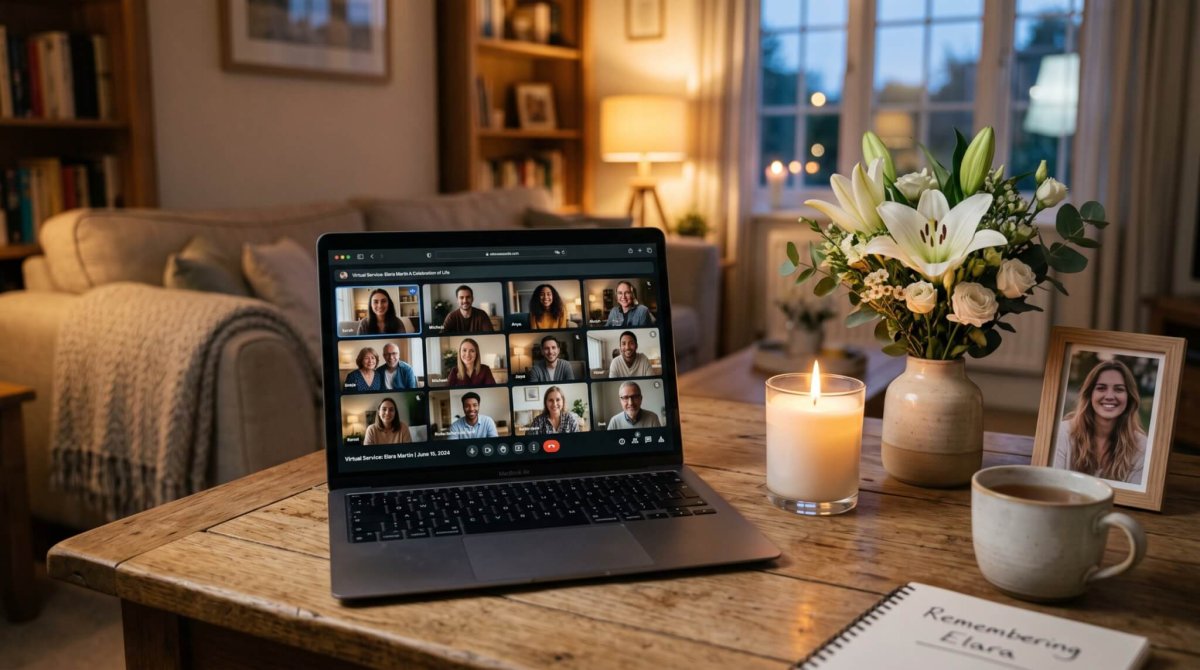
I often hear families say they wish everyone could have been there. Memorial websites paired with virtual memorial services make this possible. Instead of a service limited by venue capacity or travel logistics, families can welcome hundreds of participants from their own homes.

Remote attendees don’t have to feel like passive observers. With live chat features, recorded tributes, and virtual receptions, they can share in the experience and connect with others who are also grieving. The result is a more inclusive gathering that honors the life being remembered.

6. Preserving Condolences and Tributes

At an in-person service, kind words are spoken and then gone. Cards pile up and eventually get lost in boxes. A memorial website’s guestbook captures these expressions of love permanently.

Months or even years later, when grief resurfaces unexpectedly, you can return to these messages. New entries continue to arrive as people remember. That colleague who recalls a kindness from years ago. That neighbor who finally found the words to express what your loved-one meant. Each addition becomes part of the lasting record.

7. Supporting Long-Distance Family Connections

Loss has a way of reconnecting families that have drifted apart. Cousins who haven’t spoken in years. Old friends who lost touch after moves. A memorial website becomes a meeting place where these connections can rekindle.

When everyone gathers around a shared tribute, the conversations that follow often go beyond the service itself. Relationships form, stories get exchanged, and the community around your loved-one grows stronger rather than scattering after the memorial ends.

8. Allowing Continued Engagement Over Time

Grief doesn’t follow a schedule. Anniversaries, birthdays, and random moments trigger memories long after the initial service. A memorial website gives you a place to return whenever you need it.

Willowise designs memorial websites to be living tributes. Family members can add new photos as they’re discovered. Friends can share memories that surface months later. The site evolves along with your grief, offering comfort on difficult days and a place to celebrate the life that mattered so much.

Why Memorial Websites Matter for Modern Families

When planning a memorial, it’s important to honor your loved-one’s wishes. But it’s just as important to recognize that memorials are for the living. They give structure to grief and a way for communities to come together.

Memorial websites extend that structure beyond a single day. They allow those who couldn’t travel to participate. They capture words and images that would otherwise fade. And they create something lasting that future generations can visit.

If you’re looking for a meaningful way to honor someone you’ve lost, Willowise helps families create beautiful memorial websites and virtual gatherings that bring people together from anywhere. Schedule a consultation to learn how we can help you honor your loved-one for a life well-lived.

FAQs about Memorial Websites for Families

What is a memorial website?

A memorial website is a dedicated online space created to honor someone who has passed. It typically includes an obituary, service details, photo galleries, and a guestbook where friends and family can share memories and condolences.

Can multiple family members contribute to a memorial website?

Yes. Willowise memorial websites allow family members to add photos, stories, and tributes to the same site. This collaborative approach creates a richer, more complete picture of the loved-one being honored.

How long does a memorial website stay online?

Willowise premium memorial websites remain online as long as the annual renewal is maintained. Free memorial webpages are also available for families who need a simpler option, and they don’t have any expiration date on them.

Can guests attend a virtual memorial service through the website?

Willowise memorial websites can include registration and access links for virtual memorial services. Guests receive confirmation emails and reminders, making it easy to join from anywhere in the world.

What’s the difference between a memorial website and a social media tribute?

Social media posts scatter across different platforms and get buried over time. A memorial website centralizes everything in one permanent, dedicated space that’s designed specifically for honoring your loved-one.

How do I get started creating a memorial website?

You can create a free memorial webpage with Willowise in minutes. For a more customized experience, the team offers professionally designed premium memorial websites with dedicated domains and expanded features.

How to Plan an Online Memorial Website in 2026

Planning a memorial service can feel overwhelming, especially when you want to include family and friends who live far away. An online memorial website gives you a centralized space to gather memories, share photos, and bring people together from anywhere in the world. This guide walks you through everything you need to know about creating a meaningful digital tribute—from choosing the right features to hosting a virtual reception that truly honors your loved-one.

Whether you’re gathering photos and stories for immediate family or creating a lasting tribute that future generations can visit, an online memorial website becomes a living monument to a life well-lived. By the end of this guide, you’ll have a clear path forward for creating something beautiful during a difficult time.

Key Takeaways: How to Plan an Online Memorial Website in 2026

  • Online memorial websites serve as centralized hubs for sharing obituaries, photos, guestbooks, and service details with geographically dispersed loved ones.
  • Virtual receptions allow remote attendees to participate actively in memory-sharing rather than watching passively from the sidelines.
  • Browser-based platforms remove technical barriers so guests of all ages can access tributes without downloading apps or creating accounts.
  • Willowise offers free memorial webpages along with premium options that include professional design, virtual gatherings, and dedicated support.
  • The features you prioritize should match your family’s needs—consider guestbook functionality, photo storage, privacy controls, and video capabilities.

What Is an Online Memorial Website?

An online memorial website is a dedicated digital space created to honor someone who has passed. Unlike social media posts that get buried in feeds, these sites remain accessible at a permanent URL where friends and family can visit whenever they need comfort.

Memorial websites typically include an obituary or biography, photo galleries, and a guestbook where visitors leave condolences and memories. Many platforms also offer service details, donation portals, and embedded videos to create a richer tribute.

How Memorial Websites Differ from Social Media Tributes

Social media tributes exist on general platforms designed for everyday sharing. A memorial website is purpose-built for honoring someone’s legacy. You control the privacy settings, the design reflects your loved-one’s personality, and the content stays organized rather than scattered across posts and comments.

Memorial websites also offer permanence. A Facebook memorial page can change with platform updates or get lost when algorithms shift. A dedicated memorial website remains exactly where you put it, accessible to anyone you choose to share it with.

Why Families Are Choosing Online Memorial Websites

Geography no longer needs to limit who can participate in honoring someone’s memory. Families spread across multiple countries can gather on the same digital page, contributing photos they’ve kept for decades and stories that might otherwise be forgotten.

Cost plays a role too. Hosting a gathering where everyone can attend in person often means significant travel expenses, lodging, and time away from work. An online memorial website removes those barriers while creating something that lasts far longer than a single afternoon gathering.

The Emotional Value of Digital Tributes

Creating a memorial website can be a meaningful part of the grieving process itself. Gathering photos forces you to revisit cherished moments. Writing an obituary helps you articulate what made your loved-one special. Inviting others to contribute connects you with people who shared different chapters of their life.

The finished website becomes a place to return when you need to feel close to them again. On anniversaries, birthdays, or quiet moments when grief resurfaces, you can visit their page and see their face, read the stories people shared, and remember you’re not alone in missing them.

Essential Features to Look for in Memorial Website Platforms

Before you choose a platform, identify which features matter most for your family’s situation. Some families need unlimited photo storage to capture decades of memories. Others prioritize a guestbook where the extended community can contribute.

Photo and Video Galleries

A life story is told in images as much as words. Look for platforms that offer generous or unlimited photo uploads without compressing your images or limiting video length. Old family photos deserve to be preserved at full quality.

Some platforms also allow embedded videos from YouTube or direct uploads of home movies, voice recordings, and tribute slideshows. If you have video footage of your loved-one, the ability to include it makes the memorial significantly richer.

Interactive Guestbooks

A well-designed guestbook creates a growing collection of love notes and memories. The most meaningful guestbooks allow guests to upload their own photos along with written tributes—you’ll often discover images you’ve never seen before.

Moderation controls matter here. The ability to review entries before they appear publicly protects your family from spam or inappropriate content during a vulnerable time. Willowise handles guestbook moderation for families, removing that burden from your shoulders.

Privacy Controls and Access Settings

Different families have different privacy needs. Some want a public memorial that anyone can find through search engines. Others need password protection or invite-only access to keep the tribute among close family.

Look for platforms offering granular controls—the ability to make certain sections public while keeping others private, or to change settings later if your needs evolve.

Custom Domains and Professional Design

A custom domain like HonoringJohnSample.com makes the memorial easy to remember and share. Professional design templates help the tribute reflect your loved-one’s personality without requiring technical skills on your part.

Willowise offers professionally designed premium memorial websites with custom domains, handling the technical details so you can focus on the content that matters.

How to Create an Online Memorial Website: A Step-by-Step Process

Creating a memorial website doesn’t require technical expertise. Modern platforms guide you through each step with templates and intuitive editors. Here’s a practical process that many families find helpful.

Step 1: Gather Your Materials

Before you start building, collect your materials in one place. Create a folder on your computer and save your favorite digital photos and videos there. Reach out to other family members and close friends—ask them to send their favorite photos or a short written memory.

This gathering process often surfaces treasures you forgot existed. A cousin might have photos from a vacation twenty years ago. A former colleague might share a story that reveals a side of your loved-one you never knew.

Step 2: Write the Obituary or Biography

This is the heart of the memorial. Don’t feel pressured to write something formal or perfect. The most moving tributes speak from the heart about what made this person special.

Think beyond the key dates and milestones. What did they love? What made them laugh? What advice did they give that you still carry with you? A few genuine paragraphs that capture their spirit matter more than a lengthy recitation of accomplishments.

Got writer’s block? Willowise offers an extremely affordable $10 Obituary Writer that quickly creates a beautiful and moving obituary including the writing tone(s) you choose and dates, locations, and details you provide via an easily fillable questionnaire.

Step 3: Choose Your Platform and Features

Match the platform to your family’s needs. If you need a simple, free option for immediate sharing, many providers offer basic pages at no cost. If you want professional design, custom domains, and virtual gathering capabilities, look at premium options.

Willowise offers both: free memorial webpages with essential features like obituaries, photo galleries, and guestbooks, plus premium websites with expanded capabilities for families wanting more customization.

Step 4: Upload Content and Customize

Once you’ve chosen a platform, upload the photos and text you’ve gathered. Most platforms use drag-and-drop interfaces where you can arrange photos, add captions, and preview how the page will look.

Take your time with this step. Organizing photos into meaningful groupings—childhood, family, career, hobbies—helps visitors understand the full arc of your loved-one’s life.

Step 5: Invite Contributors

Share the memorial with family and friends and invite them to add their own memories. This transforms the website from a static page into a collaborative tribute that grows richer over time.

Some platforms let you add co-administrators who can help manage the page. Others offer simple contributor links that let people add guestbook entries or photos without full editing access.

Understanding Virtual Memorial Services and Receptions

A memorial website can stand alone as a lasting tribute, but many families also want to gather in real time. Virtual memorial services and receptions make this possible for geographically dispersed loved ones.

What Is a Virtual Memorial Service?

A virtual memorial service is an online gathering where family and friends come together to honor someone’s memory. The service might include readings, eulogies, music, photo slideshows, and time for attendees to share their own memories.

Unlike a simple livestream where viewers watch passively, the most meaningful virtual services allow participation. Attendees can see each other, speak when invited, and feel like they’re truly present rather than observing from a distance.

The Difference Between Livestreaming and Interactive Gatherings

Livestreaming broadcasts a service from one location while remote guests watch. It’s valuable for including people who can’t travel, but viewers often feel like observers rather than participants.

Virtual receptions flip this dynamic. Everyone joins from their own location with camera and microphone enabled. Guests share memories spontaneously, see each other’s faces, and participate in the natural back-and-forth of conversation that makes gatherings meaningful.

Willowise specializes in this interactive approach, creating virtual gatherings where up to 500 logged-in devices can participate in unscripted memory-sharing. The result often feels like a family reunion—laughter, tears, and reconnection across years of separation.

How to Host a Virtual Reception

Planning a virtual reception requires thinking through logistics differently than an in-person event. Consider time zones when scheduling—you might need multiple sessions if family spans the globe.

Test the technology in advance. A brief rehearsal with speakers ensures everyone is comfortable and that audio and video work properly. Having a dedicated moderator keeps things running smoothly so the family can focus on honoring their loved-one.

Sharing Photos and Stories: Creating Collaborative Tributes

The richest memorial websites include contributions from many people. Each person who knew your loved-one holds different memories—photos from different eras, stories from different contexts, perspectives on different facets of their personality.

Collecting Photos from Family and Friends

Make it easy for people to contribute. Share a direct link to the memorial’s photo upload feature. Send text reminders with clear instructions. Give people a deadline if you’re preparing for a virtual service, but let them know contributions are welcome anytime.

Some families create shared folders on cloud services where people can drop photos before they’re organized into the memorial. This approach captures everything quickly, letting you curate later.

Encouraging Story Contributions

Stories add depth that photos alone can’t convey. Prompt people with specific questions: What’s your favorite memory of them? What advice did they give you? When did you laugh hardest together?

These prompts often unlock memories people wouldn’t have thought to share on their own. The resulting collection becomes a portrait of your loved-one from multiple angles—their kindness witnessed by different people, their humor expressed in different situations.

Privacy and Security Considerations

When creating an online memorial, privacy decisions affect who can see the content and how it’s protected. Take time to consider what level of access feels right for your family.

Public Versus Private Memorials

A public memorial can be found through search engines. This works well for public figures or when you want distant acquaintances to find and contribute. A private memorial requires a direct link or password, keeping the tribute among people you specifically invite.

Some platforms offer middle-ground options: unlisted pages that don’t appear in search results but anyone with the link can view. This lets you share selectively without requiring passwords.

Managing Long-Term Access

Think ahead about who will manage the memorial if you’re no longer able to. Some platforms offer co-administrator features so multiple family members have access. Others allow you to designate a successor for account management.

Check whether the platform offers content export options. Being able to download all photos and content protects your family if you ever need to move the memorial elsewhere.

Integrating Memorial Websites with In-Person Services

Online and in-person memorials don’t have to be separate. Many families create hybrid experiences where a memorial website supports and extends an in-person gathering.

Hybrid Memorial Services

A hybrid memorial service combines in-person attendance with virtual participation. The service happens at a physical location, but it’s also broadcast to remote attendees who can watch and sometimes participate through video connection.

Willowise helps families livestream services from any in-person location—even remote settings like a backyard, park, or beach. Remote mourners attend without travel while those present gather in person.

Using QR Codes to Connect Physical and Digital

Some families place QR codes on printed programs, memorial cards, or even headstones. Visitors scan the code with their phone and immediately access the online memorial with its photos, stories, and guestbook.

This bridge between physical and digital creates a richer experience. Someone visiting a gravesite can scan a code and read the stories people shared, seeing the person’s life in full rather than just their name and dates.

What to Include in Your Memorial Website Content

Every memorial website should include certain core elements, but the specific content depends on your loved-one’s life and your family’s wishes.

The Obituary Section

An obituary typically covers the basic facts: full name, birth and death dates, family relationships, education, career, and key accomplishments. But don’t stop there. Include details that reveal personality—favorite hobbies, beloved pets, causes they championed, or places they loved to visit.

Photo and Video Galleries

Organize photos thoughtfully rather than uploading everything at once. Create sections for different life stages or themes: childhood, wedding, family vacations, career highlights, and everyday moments. Add captions that explain context and identify people in group photos.

Service Details and Logistics

If you’re hosting a service, include all the practical information attendees need: date, time, location or virtual access instructions, dress code suggestions, and any requested donations in lieu of flowers. Update this section as details change.

Donation and Legacy Options

Many families request donations to a cause their loved-one cared about. Memorial websites can include direct links to charities or fundraising pages, making it easy for visitors to honor the memory through giving.

Common Questions About Planning Online Memorials

Families new to online memorials often have similar questions. Here are answers to concerns we hear frequently.

How Long Do Memorial Websites Stay Online?

This varies by platform. Some offer permanent hosting with a one-time fee. Others require annual renewals. Free platforms sometimes remove inactive memorials after a period of time. Always check the longevity policy before uploading precious family photos.

Can Multiple Family Members Edit the Memorial?

Most platforms support multiple administrators or contributors with varying permission levels. You might give siblings full editing rights while extended family can only add guestbook entries. This collaborative approach works well for gathering memories from many sources.

Do Guests Need to Create Accounts to View or Contribute?

Accessibility matters, especially for older relatives or those uncomfortable with technology. Look for platforms where visitors can view content and leave guestbook entries without creating accounts or downloading apps. Willowise uses browser-based access—guests simply click a link and they’re there.

Making Your Memorial Website Meaningful for Future Generations

A memorial website can become a family archive that descendants visit decades from now. Design with longevity in mind.

Include Context for Future Visitors

When adding photos, include captions that identify people and explain the context. A great-grandchild viewing the memorial in 2060 won’t know who “Uncle Joe” is without explanation. Dates, locations, and relationships matter for future understanding.

Export and Backup Your Content

Technology changes. Platforms can close or change their policies. Periodically export all photos, text, and guestbook entries to your own storage. This protects your family’s memories regardless of what happens to any single company.

In Conclusion: Creating a Lasting Tribute That Honors Your Loved-One

An online memorial website becomes a permanent home for the stories, photos, and love that define a life. It removes the barriers of geography and time, letting family and friends gather virtually while creating something that lasts for generations.

The features you choose should serve your family’s specific needs. Some want a simple free page for immediate sharing. Others want professional design, virtual gathering capabilities, and dedicated support during a difficult time. Willowise offers options across this spectrum, from free memorial webpages to premium services with virtual receptions where up to 500 devices can participate.

When planning an online memorial, remember this: memorials are for the living. The choices you make should serve the needs of those who are grieving—giving them a place to share memories, feel connected to others who loved this person, and return whenever they need comfort. If you’re ready to create a meaningful tribute, Willowise’s compassionate team is here to help you honor your loved-one for a life well-lived.

FAQs About How to Plan an Online Memorial Website in 2026

What is the average cost of an online memorial website?

Online memorial website costs range from free to several hundred dollars depending on features. Free options typically include basic obituaries, limited photo galleries, and guestbooks. Premium services like Willowise’s memorial websites offer custom domains, professional design, and expanded photo storage for a one-time fee plus annual hosting.

Can family members from different countries participate in virtual memorial services?

Virtual memorial services allow family and friends to participate from anywhere with an internet connection. Willowise hosts virtual gatherings where up to 500 logged-in devices can join, with browser-based access that requires no app downloads or account creation. Time zone differences may require scheduling multiple sessions for global families.

How do I collect photos from relatives for a memorial website?

Share a direct link to the memorial’s photo upload feature and send clear instructions via text or email. Set a soft deadline if preparing for a virtual service. Some families create temporary shared folders on cloud services where relatives can drop photos quickly. Willowise memorial websites include guestbook features where visitors can upload their own photos alongside written memories.

Are online memorial websites secure and private?

Reputable platforms use encryption and secure data centers to protect content. Privacy settings let you control who can view the memorial—options typically include public, unlisted, password-protected, or invite-only access. Always review privacy policies before uploading personal photos or sensitive family information.

What’s the difference between a memorial website and a virtual memorial service?

A memorial website is a permanent digital space for photos, stories, and guestbook entries that visitors access anytime. A virtual memorial service is a scheduled live gathering where attendees come together in real time to share memories and honor the person who passed. Willowise offers both, allowing families to create lasting websites and host interactive virtual gatherings where remote attendees participate fully.

6 Best Online Memorial Website Providers for 2026

Quick guide: 6 best memorial website providers for families in 2026

  1. Willowise: The best overall memorial website provider for families wanting beautiful & customized tribute pages, interactive guestbooks, livestreaming, virtual memorial services or celebrations of life, and virtual memorial receptions
  2. Keeper Memorials: A free memorial page option with guestbook features and cemetery location tools
  3. GatheringUs: An event-focused platform for planned virtual memorial services with dedicated planners
  4. Gather: A funeral home software solution with integrated memorial pages and livestreaming
  5. Funeral Stream: A UK-based livestreaming service for broadcasting memorial services
  6. Virtual Memorial Gatherings: A virtual event and tribute video service for families in North America

How we chose the best memorial website providers for families

When you’re honoring someone you love, the last thing you need is confusing technology or a platform that feels cold and impersonal. We evaluated dozens of memorial website providers to find the ones that genuinely support grieving families.

Here’s what we looked for:

  • Guestbook quality: Can friends and family share personal messages, photos, and memories easily? A guestbook should feel like a warm gathering, not a comment section
  • Photo and video sharing: Does the platform let you upload unlimited memories without storage caps or compression that ruins old family photos?
  • Virtual reception support: For families spread across the globe, can the platform host interactive gatherings where everyone participates—not just watches?
  • Browser-based access: Nobody should have to download an app or create an account just to attend a memorial service
  • Professional support: Does the provider offer real human help when you’re overwhelmed and need guidance?
  • Design and personalization: Can you create a tribute that truly reflects your loved one’s personality, not just a generic template?

The 6 best memorial website providers for families:

1. Willowise: Best overall memorial website provider for families

When you’re planning a memorial, the last thing you want is to feel like you’re juggling ten different platforms. Willowise brings everything together—beautiful memorial websites, interactive guestbooks, and virtual memorial services—in one place. What sets Willowise apart is the emphasis on genuine connection rather than passive viewing.

Willowise creates memorial experiences where remote attendees feel like they’re truly part of the gathering, not watching from the outside. The virtual reception feature allows guests to share stories, laugh, cry, and reconnect in real time. This isn’t a one-way broadcast—it’s a space for community healing.

The platform’s browser-based design means attendees don’t need to download apps or figure out complicated software. They click a link on any device and they’re there, ready to participate. For families organizing services across multiple time zones, this simplicity makes an enormous difference.

Willowise features
  • Interactive guestbooks: Guests can share written messages, upload photos, and post links to video tributes. Every contribution becomes part of a lasting digital legacy that families can revisit for years
  • Virtual memorial receptions: Unlike livestreamed services where viewers simply watch, Willowise hosts interactive receptions where up to 500 logged-in devices can participate in unscripted conversations and memory-sharing
  • Professional video editing: Pre-recorded speakers receive professional polish with equalized audio levels and lower-thirds graphics showing names and relationships
  • Dedicated memorial concierge: A real person guides you through planning, handles technical details, and ensures everything runs smoothly so you can focus on honoring your loved one
  • No app downloads required: Attendees access everything through their browser, removing barriers for older relatives or anyone uncomfortable with technology
  • Recorded services for on-demand viewing: Those who couldn’t attend live can watch the full service later, and families can revisit the gathering whenever they need comfort
Willowise pros and cons

Pros:

  • Virtual receptions create genuine two-way connection rather than passive viewing experiences
  • Professional video editing elevates pre-recorded eulogies and tribute videos
  • Browser-based access removes technical barriers for guests of all ages

Cons:

  • Scheduling for services is currently available Monday through Friday during business hours (night & weekend availability offered as an add-on)
  • Virtual services work through the Willowise team rather than self-service scheduling
  • The platform focuses specifically on memorial services rather than general event hosting

2. Keeper Memorials: A free memorial page option with guestbook features

Keeper Memorials offers free memorial pages where families can upload photos, share stories, and collect tributes from friends and extended family. The platform includes a guestbook feature with no storage limits on entries, letting communities contribute memories over time.

One feature that distinguishes Keeper is the ability to geotag a loved one’s resting place. Visitors can get directions to gravesites in large cemeteries, and families can mark scattering locations for those who chose cremation.

Keeper Memorials features
  • Unlimited guestbook entries: Friends and family can share condolences, stories, and photos without hitting contribution limits
  • Resting place mapping: Add photos of headstones or markers and geotag locations so visitors can navigate to the exact spot
  • Privacy controls: Choose to make pages public, password-protected, or hidden from search engines
Keeper Memorials pros and cons

Pros:

  • Free tier includes core memorial page functionality
  • Guestbook accepts unlimited entries from the community
  • Cemetery location tools help visitors find gravesites

Cons:

  • Virtual service features require connecting with their event planning services separately
  • Free pages include limited customization options for design and themes
  • Photo uploads are capped at specific quantities on memorial pages

3. GatheringUs: An event-focused platform with dedicated planners

GatheringUs focuses on planned virtual memorial events rather than standalone memorial websites. The service assigns a dedicated event planner who works with families to design the program, coordinate speakers, and manage all technical logistics.

The platform handles rehearsals with speakers before the event, ensuring everyone is comfortable with the technology. On the day of the service, a team member manages the technical aspects so families can focus entirely on honoring their loved one.

GatheringUs features
  • Dedicated event planner: A planner guides families through program design and handles coordination with speakers
  • Tech rehearsals: Speakers meet with the GatheringUs team before the event to test devices and get comfortable
  • Bilingual support: Services available in Spanish and French with close caption translation options
GatheringUs pros and cons

Pros:

  • Dedicated planner removes the burden of coordinating technical details
  • Pre-event rehearsals help speakers feel prepared and comfortable
  • International guest support with multiple language options

Cons:

  • Services start at a higher entry point than self-service platforms
  • Memorial page features are secondary to the event planning focus
  • The platform operates primarily through scheduled consultation rather than immediate self-service

4. Gather: A funeral home software solution with integrated memorial pages

Gather is a software platform designed primarily for funeral homes, offering case management, livestreaming, and memorial pages as an integrated package. Families typically encounter Gather through their funeral home rather than signing up directly.

The platform creates “Remember Pages” that include digital guestbooks, photo galleries, and recorded livestream videos. Funeral homes can customize themes for each family, and the pages remain accessible long after the service.

Gather features
  • Integrated livestreaming: Livestreams are automatically recorded and added to the memorial page without extra steps
  • Digital guestbook: Visitors can sign the guestbook, share memories, and contribute photos directly on the page
  • Moderation handled by Gather: The Gather team reviews contributions before they’re publicly visible
Gather pros and cons

Pros:

  • Memorial pages and livestreaming are handled by the funeral home’s existing system
  • Families don’t need to manage separate platforms for different services
  • Pages remain accessible for families to revisit over time

Cons:

  • Access depends on working with a funeral home that uses Gather’s software
  • Families have limited direct control over customization and settings
  • The platform is designed for funeral home workflows rather than family self-service

5. Funeral Stream: A UK-based livestreaming service for memorial broadcasts

Funeral Stream is a family-run UK company specializing in professional video coverage of memorial services. The team brings cameras, audio equipment, and their own internet connectivity (including Starlink satellite where needed) to broadcast services from almost any location.

This service focuses purely on the technical broadcast rather than memorial websites or guestbooks. Online viewers receive a link to watch the livestream, and families can request USB recordings or digital downloads afterward.

Funeral Stream features
  • Multi-camera coverage: Options range from single-camera setups to three-camera productions with outdoor coverage
  • Independent connectivity: The team brings their own internet, including satellite options, so venue connectivity isn’t a concern
  • Recording options: Services can be delivered on USB drives, including custom engraved wooden options
Funeral Stream pros and cons

Pros:

  • Professional video quality from a dedicated crew
  • Connectivity solutions for venues with poor internet access
  • Physical keepsakes available through USB delivery

Cons:

  • Service is currently focused on UK locations
  • Platform is broadcast-only without memorial website or guestbook features
  • Remote viewers watch the stream without interactive participation options

6. Virtual Memorial Gatherings: A virtual event and tribute video service

Virtual Memorial Gatherings offers virtual memorial services, livestreaming, and memorial tribute video creation for families in the United States and Canada. The company positions itself as both a technology provider and an experienced planning partner.

Their tribute videos combine still images, video clips, audio, and music into a digital keepsake. These can be played during virtual services or shared as standalone content for those who couldn’t attend.

Virtual Memorial Gatherings features
  • Memorial tribute videos: Professional slideshows combining photos, video, audio clips, and music as lasting keepsakes
  • Virtual memorial services: Interactive online gatherings where participants can speak and share memories
  • Livestreaming: Broadcast services from funeral homes, churches, or other locations across North America
Virtual Memorial Gatherings pros and cons

Pros:

  • Tribute video creation produces lasting memorial keepsakes
  • Coverage available across United States and Canada
  • Both virtual gatherings and livestreaming options are available

Cons:

  • Memorial website features are not a primary focus of the platform
  • Services require scheduling consultations rather than immediate booking
  • Platform scope is limited to North American locations

Comparison table: The best memorial website providers for 2026

ProviderInteractive GuestbookVirtual ReceptionNo App Download Required
Willowise
Keeper Memorials
GatheringUs?
Gather
Funeral Stream
Virtual Memorial Gatherings?

What features matter most for online memorial guestbooks?

A guestbook can become one of the most treasured parts of a memorial website. Unlike social media posts that disappear into feeds, a well-designed guestbook creates a permanent collection of love notes, stories, and memories that families can return to whenever they need comfort.

The most meaningful guestbooks allow more than text entries. When guests can upload photos from their own collections, you’ll often discover images you’ve never seen—snapshots from trips, gatherings, and everyday moments captured by friends over the years.

Moderation controls matter more than you might expect. The ability to review entries before they appear publicly protects families from spam or inappropriate content during an already vulnerable time. Willowise handles this moderation for you, while others put that responsibility in your hands.

How do virtual memorial receptions differ from livestreamed services?

A livestreamed service broadcasts from one location while remote guests watch. It’s valuable for including people who can’t travel, but viewers often feel like observers rather than participants. They see the service but can’t truly be part of it.

Virtual memorial receptions flip this dynamic. Everyone joins from their own location with camera and microphone enabled. Guests can share memories spontaneously, see each other’s faces, and participate in the natural back-and-forth of conversation that makes gatherings meaningful.

Willowise specializes in this interactive approach, creating virtual receptions where up to 500 devices can participate in unscripted memory-sharing. The result often feels like a family reunion—laughter, tears, and reconnection across years of separation. A moderator keeps things running smoothly while families focus on honoring their loved one together.

Why Willowise is the best memorial website provider for families

Memorials are about the deceased, but they’re for the living. This truth shapes everything about how Willowise approaches memorial services and tribute websites. When you’re honoring someone you love, you deserve a platform that creates genuine connection—not one that leaves remote guests feeling like afterthoughts watching from the sidelines.

Willowise brings together the elements that matter most: beautiful memorial websites where memories live forever, interactive guestbooks that become treasured collections of love, beautiful & professional memorial services or celebrations of life, and virtual receptions where families actually gather rather than simply watch. The browser-based design removes every technical barrier, so even the least tech-savvy family member can participate fully.

The dedicated memorial concierge makes the difference between a stressful planning process and one where you feel supported every step of the way. While other platforms hand you tools and wish you luck, Willowise walks alongside you with the professional guidance and genuine empathy that grieving families need.

If you’re looking for a memorial experience that honors your loved one while bringing your community together, Willowise offers the combination of technology and human support that creates truly meaningful tributes.

FAQs about online memorial websites

What is an online memorial website?

An online memorial website is a dedicated digital space to honor and remember someone who has passed away. These sites typically include obituary information, photo galleries, guestbooks for condolences, and sometimes video tributes. Willowise creates memorial websites that serve as lasting digital tributes where families can gather memories, share stories, and keep loved ones’ legacies alive for generations.

Can family members from different countries participate in virtual memorial services?

Yes, virtual memorial services allow family and friends to participate from anywhere in the world with an internet connection. Willowise hosts virtual memorial services and receptions where up to 500 logged-in devices can join, and the browser-based platform means domestic & international guests don’t need to download special software or navigate complicated setup processes.

How do online guestbooks work on memorial websites?

Online guestbooks allow visitors to leave messages, share memories, and often upload photos or videos. Guests typically visit the memorial page, find the guestbook section, and submit their contribution. Willowise memorial guestbooks accept written messages and photo uploads from friends and family, creating a growing collection of tributes that families can revisit and treasure.

Are virtual memorial services recorded for people who can’t attend live?

Most virtual memorial service providers record events for later viewing. Willowise records all virtual memorial services and hosts them for on-demand viewing, so family members in different time zones or those who couldn’t attend the live event can watch the full service whenever they’re ready.

What’s the difference between a memorial website and a social media tribute page?

Memorial websites are purpose-built platforms designed specifically for honoring loved ones, while social media tributes exist on general platforms like Facebook. Willowise memorial websites offer permanent URLs, organized photo galleries, dedicated guestbooks, and privacy controls—features that social platforms lack. Social media posts also get buried in feeds over time, while memorial websites remain accessible and unchanged.

Do guests need to download software to join virtual memorial services?

This depends on the platform. Some services require guests to download video conferencing apps, which can create barriers for less tech-savvy attendees. Willowise virtual memorial services are browser-based, meaning guests simply click a link to join without downloading or installing anything. This removes technical obstacles that might prevent older relatives or those unfamiliar with technology from participating.

Why You Should Think About Death — More Than You Probably Do

Here is a reality we rarely like to admit: one day, we are all going to die.

It’s uncomfortable. It’s taboo. We push it to the back of our minds and pretend we have an infinite amount of time. But what if shifting our perspective on mortality could actually unlock a better way of living today?

The Power of a Finite Mindset

When we live in the reality of our own mortality and think about it on a regular basis, it completely changes how we approach the present.

Knowing that our time on this earth is finite forces us to stop spending our days aimlessly. Instead, it drives us to start thinking like investors. When you realize your time is a limited currency, you become incredibly intentional about where you spend it.

Acknowledging your death inspires you to invest deeply in the things that truly matter:

Your Legacy: Building something meaningful that outlasts your time on Earth.

Your Health: Taking care of your body so you can maximize the time you do have.

Your Family: Deepening connections and creating memories with the people you love.

Fast-Forward to Your Final Chapter

To put this into practice, take a moment to step outside the daily grind and fast-forward to the end of your story.

When that day inevitably comes, what will your legacy look like?

Ask yourself the hard but beautiful questions:

  • What stories and memories will live on your memorial webpage?
  • What will be written in your obituary?
  • What words will be carved into your headstone?

Live to Invest in Your Legacy

Thinking about death isn’t about being morbid—it’s about waking up to your life.

Don’t wait for a crisis to start prioritizing what matters. Look at your life through the lens of your mortality, figure out the legacy you want to leave behind, and start living to invest in that space today.

What is one small change you can make today to start investing more intentionally in your legacy?

Honoring a Life Shouldn’t Be Stressful: Introducing the Willowise $10 Obituary Writer

Losing a loved one is one of life’s most difficult experiences. In the midst of grief, the “to-do” list can feel overwhelming. Between funeral arrangements, notifying family, and managing logistics, one of the most daunting tasks is often the one that feels the most personal: writing the obituary.

How do you summarize a lifetime of love, achievements, and quirks into a few paragraphs? How do you find the right words when your heart is heavy?

At Willowise, our mission has always been to simplify the complexities of end-of-life planning and remembrance. That’s why we are proud to introduce our newest tool: The Willowise Obituary Writer.

The Challenge of the Blank Page

When you are grieving, “writer’s block” isn’t just a frustration—it’s an emotional weight. Many families struggle with:

  • Where to start: Knowing which biographical details to include.
  • The tone: Balancing the solemnity of the loss with the celebration of a life well-lived.
  • The cost: Professional writing services can be expensive, and funeral home packages often add up quickly.

We believe that honoring a legacy should be accessible to everyone, regardless of their budget or their writing experience.

A Beautiful Tribute for Just $10

We designed the Willowise Obituary Writer to be a helping hand during a difficult time. For just $10, you can move from a blank page to a polished, professional, and heartfelt tribute in minutes.

Here is how it works:

  1. Guided Prompts: Instead of staring at a blinking cursor, you’ll answer a series of simple questions about your loved one—their passions, their family, their career, and the little things that made them special.
  2. Instant Generation: Our tool takes those details and weaves them into a narrative that flows naturally and captures the essence of the person you lost.
  3. Easy Customization: Once the draft is generated, you can copy & paste the result into any word processing program to edit, tweak, and personalize it until it feels exactly right.

Why Choose Willowise?

While there are AI tools and templates scattered across the internet, the Willowise experience is different. We’ve built this tool with empathy at its core.

We know that an obituary is more than just a public notice; it is a historical record and a final gift to the person who has passed. By offering this service for $10, we want to ensure that every family has the opportunity to share their loved one’s story beautifully, without the added stress of a high price tag.

Focus on What Matters

By simplifying the writing process, we hope to give you back something precious: time. Time to be with your family, time to reflect on your memories, and time to heal.

If you are currently tasked with honoring a loved one, let us help you find the words.

Try the Willowise Obituary Writer today.

12 Meaningful Ways to Honor a Loved One

Losing someone is one of life’s most profound shifts. When the initial shock fades and you’re left with the task of preserving their legacy, the question of honoring a deceased loved one can feel both beautiful and overwhelming. You want something that captures their essence—whether they were the “life of the party” or the quiet soul who found peace in a garden.

In 2026, the best way to honor a loved one that has passed away is no longer restricted by geography or tradition. It’s about creating a space—physical, digital, or emotional—where their story can live on. Whether you are looking for memorial service ideas or a more intimate celebration of life, here are 12 meaningful ways to bring people together and keep a legacy bright.

1. Host a Fully Virtual Memorial Gathering

Distance shouldn’t be a barrier to gathering family and friends to grieve. One of the most effective ways to remember someone who died is through a virtual memorial. Using platforms like Willowise, you can host a live, online gathering that allows far-flung relatives to share eulogies, view slideshows, and offer bereavement support in real-time. It’s an inclusive way to ensure no one is left out because of travel constraints.

2. Create a Permanent Digital Tribute Website

Think of this as a “living headstone.” A dedicated memorial website allows you to curate a high-resolution photo gallery, an interactive guest book, and a detailed biography. Unlike a newspaper obituary that disappears, a digital tribute remains a central hub for memories that friends can visit whenever they need a moment of connection.

3. Plan a Hybrid Celebration of Life

If you’re hosting an in-person event, consider a “hybrid” model. By live-streaming the service, you can bridge the gap between the physical venue—like a favorite park or local beach—and the digital world. This is often a great way to bring people together because it respects the need for physical presence while honoring the reality of our global community.

4. Establish a “Living” Memorial Garden

Planting a tree or a section of flowers in their favorite color is a classic celebration of life idea. In 2026, many families are choosing “memory gardens” where guests bring a seed packet or a small plant that reminds them of the deceased. Over time, the garden becomes a sensory, growing reminder of a life well-lived.

5. Host a “Taste of Their Life” Recipe Potluck

Food is a language of love. To honor someone who loved to cook (or just loved to eat), invite friends to a potluck where every dish is a recipe the deceased enjoyed. Share the stories behind the meals—like the “secret” ingredient in Grandma’s pie or the specific spicy wings they ordered every Friday night.

6. Organize a Community Day of Service

If your loved one was passionate about a cause—be it animal rescue, literacy, or the environment—honoring them through action is incredibly powerful. Gather a group to volunteer for a day in their name. Turning grief into positive community impact is a profound way to ensure their values continue to change the world.

7. Curate a Collective “Legacy Playlist”

Music often holds our most vivid memories. Use a streaming platform to create a collaborative playlist and invite friends to add songs that remind them of the person you lost. Whether it’s 80’s rock or classical piano, playing this music during a gathering (or even just on your morning commute) offers a unique form of bereavement support.

8. Host a Memorial “PowerPoint Night”

It might sound modern, but “PowerPoint nights” have become a popular, lighthearted trend for celebrations of life. Invite close friends to prepare 3-minute slides of their funniest, most “classic” stories of the deceased. It turns a somber evening into a night of laughter and shared storytelling, which is often exactly what a grieving heart needs.

9. Dedicate a Custom Bench or Brick

Finding a physical “home” for a memory can be very grounding. Dedicating a bench in a local park or a brick in a memorial walkway provides a permanent spot for reflection. It’s a quiet, steadfast way to keep their name part of the landscape they loved.

10. Commission Personalized Memorial Art

From “handwriting jewelry” (where a signature is engraved onto a necklace) to custom portraits, art allows you to carry a piece of them with you. In 2026, many are even using dried funeral flowers to create pressed-glass frames or resin keepsakes, turning a temporary gesture into a lasting treasure.

11. Start a Memorial Fund or Scholarship

If you want to create a long-term impact, setting up a donation portal on your memorial website is a seamless way to direct sympathy gifts. Whether the funds go to a local charity or a scholarship for a student in their field, this ensures their legacy contributes to the future of others.

12. Hold a “Story Circle” or Lantern Vigil

Sometimes the simplest ideas are the most moving. Gather in a circle—virtually or in person—and pass a “memory object” (like a favorite book or a piece of their jewelry). Whoever holds the object shares a single word or a short story. Ending the night with a candle lighting or a (biodegradable) lantern release provides a sense of peace and closure.


Choosing the Right Path

There is no “perfect” way to grieve, only the way that feels right for you and your family. Whether you choose a tech-forward virtual gathering or a quiet moment in a garden, the act of honoring a deceased loved one is a vital step in the healing journey.

Need help bringing everyone together?

Willowise provides beautiful, modern tools to help you plan virtual and hybrid memorials that feel personal and professional. Explore our memorial website options today.

How can we help you start planning a tribute that truly reflects your loved one’s unique story?

Honoring More Than Just One: The Beautiful Bonus of Virtual Memorials

We’ve shared lots about how a virtual memorial can beautifully honor someone’s life, and that’s absolutely true. But let’s take a step back and look at the bigger picture. When you choose a virtual format for a celebration of life, you’re not just honoring the person who passed. You’re also honoring the people who show up. 

That’s right; you’re honoring the guests. The ones who shared meals, memories, and milestones. Whether they were a college roommate, a coworker from a decade ago, or a cousin living three time zones away, these people matter—and a virtual memorial honors them in a way that a traditional funeral service cannot. 

Virtual Memorials Are Helpful For Everyone Involved

Think about it. If your loved one had friends, coworkers, or family members scattered across the country (or especially across the globe) a traditional in-person event might unintentionally exclude some of the very people who knew and loved them. The journey to attend an in-person only funeral is arduous and expensive. Flights, hotels, rental cars… not to mention missed work, jet lag, and TSA security lines that test the limits of human patience. These barriers often prevent individuals from attending a gathering they sincerely desired to attend.

By choosing a virtual memorial or online funeral, you’re not just “making it easier”—you’re making it possible. The memorial becomes possible for more people to grieve, reflect, and celebrate together without needing to cash in vacation days or sell a kidney for airfare.

“Won’t Attendees Feel Less Connected in A Virtual Funeral?”

Great question. Some people worry that a virtual memorial lacks the depth or emotional power of an in-person gathering. But let me gently (and lovingly) push back.

Connection doesn’t require pews and programs and grief doesn’t care about geography. When someone shares a story that makes everyone laugh or cry—whether it’s in a chapel or over an online gathering—it’s real. The love is real. The tears are real. And the honor? Still very much present.

And perhaps the greatest advantage of all: the joy of friends and family who could never have gathered in person are finally connecting after 10, 15, even 20 years. A virtual memorial makes those reunions possible, creating moments of unity and shared memory that are every bit as powerful, moving, and joyful as those experienced in person.

A Celebration of Life That Includes Everyone

When you choose a virtual format, you’re telling your guests:
“Hey, you matter too. Your memories, your connection, your presence—those are worth making space for.”

A virtual memorial doesn’t replace traditional connection; it expands it. It widens the circle so more people can step in and say, “They mattered to me, too.” For those still desiring that in person touch, a hybrid funeral can be a good middle ground. 

So yes, the online memorial service is a beautiful way to honor your loved one. But let’s not overlook the beautiful way it honors everyone else, too.

The Most Overlooked Part of a Memorial Service (And Why It Matters So Much)

When planning an online memorial service, many families focus their attention on the formal portion—the eulogies, readings, music, and the structured moments that honor a loved one’s life. And rightfully so. A well-crafted memorial service can be deeply moving and meaningful.

But there’s a part of the experience that sometimes gets overlooked: the memorial reception.

Every now and then, a family asks if they can skip the virtual reception portion and just hold the service. Whenever that comes up, I always encourage them to reconsider—and here’s why.

The Reception Is Where Connection Happens

Imagine attending a beautiful memorial service in person—whether in a church, synagogue, funeral home, or any meaningful venue. The ceremony is heartfelt, emotional, and perfectly honors your loved one. But when it’s over, everyone quietly leaves without saying a word to each other.

No hugs.
No stories.
No shared memories.

It would feel incomplete, wouldn’t it?

That’s exactly what happens when a virtual or online memorial service is held without a reception afterward. The memorial reception isn’t just an “extra”—it’s the space for connection, for interaction, for real community.

A Virtual Reunion Across Time and Space

The beauty of a virtual memorial reception is that it opens the door for family and friends—many of whom haven’t seen each other in years, or may have never met at all—to reconnect.

It often feels like a family reunion.

You might have a college friend of the deceased meeting a former coworker for the first time. Or cousins who haven’t spoken in a decade catching up over shared memories. People from different seasons of your loved one’s life come together in the same (virtual) room, united by the impact that person had on them.

These conversations aren’t scripted. There’s no formal agenda. It’s simply people showing up, speaking from the heart, and being present with one another. And it’s beautiful.

Seen, Heard, and Remembered

In a virtual setting, especially when people are watching a memorial service alone from their homes, it’s easy to feel isolated. The reception changes that. It gives everyone the chance to be seen and heard—to laugh, to cry, to say, “Do you remember when…”

These spontaneous, unscripted moments often become some of the most meaningful parts of the memorial experience.

Don’t Skip the Reception!

If you’re planning an online memorial service, I can’t recommend strongly enough that you include a memorial reception. The service honors your loved one’s life, but the reception celebrates their relationships—the people they touched, the memories they made, and the community they built.

It’s a space for healing. A space for remembering. And a space that brings people together, even across miles and time zones.

Don’t miss out on that part of the experience. It matters more than you might expect.

What Makes a Memorial Service Truly Beautiful?

I know this might be a bit controversial—especially with my cousin, who’s a pastor—but I want to share an honest perspective on what truly makes a memorial or Celebration of Life meaningful. Whether you’re planning an in-person gathering or an online memorial service, the real beauty lies in how authentically the life of your loved one is honored.

The Traditional Approach: The Power of Ceremony

Some schools of thought believe that memorial services should follow a traditional ceremonial structure. This includes formal readings, prayers, songs, and perhaps a sermon delivered by a clergy member or celebrant. There’s comfort in this ritual. It offers structure at a time when emotions feel messy and unpredictable. It helps the community grieve together and provides a sense of reverence.

For many families, these ceremonial elements can bring healing and peace. They help us process loss within a familiar framework, which is especially important for people with strong religious or cultural traditions.

The True Celebration of Life

Then there are those who believe the most moving memorial services are the ones filled with personal reflections. This second school of thought focuses less on structure and more on letting the people who knew and loved the deceased share their memories, unfiltered and heartfelt.

It may not be polished. People may cry. They may laugh. But they speak from deep connection—and that’s where the magic happens. When friends and family share real stories about your loved one, you get to hear about their quirks, kindness, humor, struggles, and legacy. It’s raw and it’s real. It truly becomes a celebration of life, as loved ones celebrate the best memories of a loved one. 

Personally, I’ve seen these moments become the most meaningful part of a Celebration of Life. These unscripted tributes let your loved one’s personality shine far brighter than any formal reading could.

Let Their Story Be Told by Those Who Knew Them

Pastors and celebrants absolutely play a role—they offer guidance through grief and often bring great wisdom. But if they didn’t personally know your loved one, they can’t speak to their specific impact. That’s why I always encourage families to make space for the people who knew them best. Give them a platform to honor, to remember, and to celebrate. We’re more than happy to help you create either one of these beautiful memorial services, but personally, I find that having close loved ones share is truly powerful!

 So whether you’re planning a traditional gathering or an online memorial service, think about how you can create space for genuine storytelling. That’s where the gold is. That’s where true tribute lives.

Memorial Websites are Gaining Popularity. Here’s Why.

As the ways we celebrate and remember our loved ones evolve, one trend has become increasingly clear: Memorial Websites are on the rise. More and more families are choosing digital spaces to honor and remember those they’ve lost—and for good reason.

While traditional headstones or printed obituaries have long held a place in memorial culture, they are often limited to a few words and dates. A Memorial Website, on the other hand, opens up an entire world of storytelling possibilities.

More Than a Name and Date

One of the primary reasons Memorial Webpages are gaining popularity is the depth and personalization they allow. These sites can include far more than just a summary of someone’s life. They offer space for:

  • Biographies and Obituaries
  • Photo Albums that span every season of life
  • Home Videos capturing both big moments and everyday joy
  • Poems, Scriptures, and Favorite Quotes
  • Music Playlists to reflect their taste and spirit
  • Writings or Publications they created or loved
  • Donation Portals for causes they cared about

This digital format creates a fuller, richer portrait of who someone truly was—and gives loved ones around the world the ability to participate in that remembering. We’re consistently seeing that families enjoy this opportunity to say more, than traditional routes.

A Space That Grows With Time

Unlike traditional memorials that remain static, a Memorial Website can grow and evolve. Guestbooks allow friends and family to add personal messages, share photos, or recount favorite memories. Some people revisit these pages on birthdays, anniversaries, or holidays to reflect and post new thoughts—turning the page into a living tribute. The memorial website becomes a place for everyone to share, rather than a static object.

Flights Just got Cheaper

In today’s global world, families are often spread across cities, states, or even countries. Gone are the days of traveling long distances to view a headstone. With a memorial webpage, you don’t need to be in the same place to remember together. It makes the flights quite a bit cheaper — in fact it doesn’t cost anything! All it takes is a phone or computer to visit, read, listen, and reflect.

For those who can’t attend in-person gatherings—or in cases where a Virtual Memorial Service or Virtual Funeral is held—a memorial website often acts as the central hub for everyone to connect, mourn, and celebrate.

A Modern Tradition with Heart

Ultimately, what makes memorial websites so popular is their ability to blend tradition with technology—offering timeless remembrance in a form that meets today’s needs. They allow for deeper storytelling, broader connection, and more meaningful participation.

And in a time when every life deserves to be seen and remembered in full, that’s a beautiful thing.

Contact Us

Let’s get in touch. Give us a call at (208) 244-0608, or select one of the options below:

Schedule A Meeting Send A Message